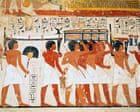
Remains from Egypt's royal cemetery at Umm el-Qa'ab show evidence that court officials and craftspeople may have been sacrificed when their rulers died, according to new research examining ancient skulls.
The cemetery near Abydos contains tombs and enclosures belonging to First Dynasty Egyptian kings dating back to around 3,000 BC. Researchers studying skeletal remains from the site identified fractures in several skulls that appear consistent with a theory proposed by an earlier Egyptologist about ritual sacrifice of royal servants.
The findings add physical evidence to long-standing historical questions about funerary practices in ancient Egypt's earliest dynasties. Fracture patterns on the bones suggested blunt force trauma, though the source material does not specify the exact number of affected individuals, the precise dating of individual remains, or which specific Egyptologist first proposed the sacrifice theory.
The Guardian reports the research examined remains taken from the cemetery, though details about the study's methodology, the researchers' institutional affiliations, publication status, or timeline for the work remain absent from the available excerpt.
Ritual sacrifice of court members and officials at a ruler's death has been documented or theorized in various ancient cultures. The Umm el-Qa'ab cemetery has long attracted archaeological attention as one of Egypt's oldest royal burial sites, making new evidence about burial practices there relevant to understanding early dynastic Egyptian society and religious customs.