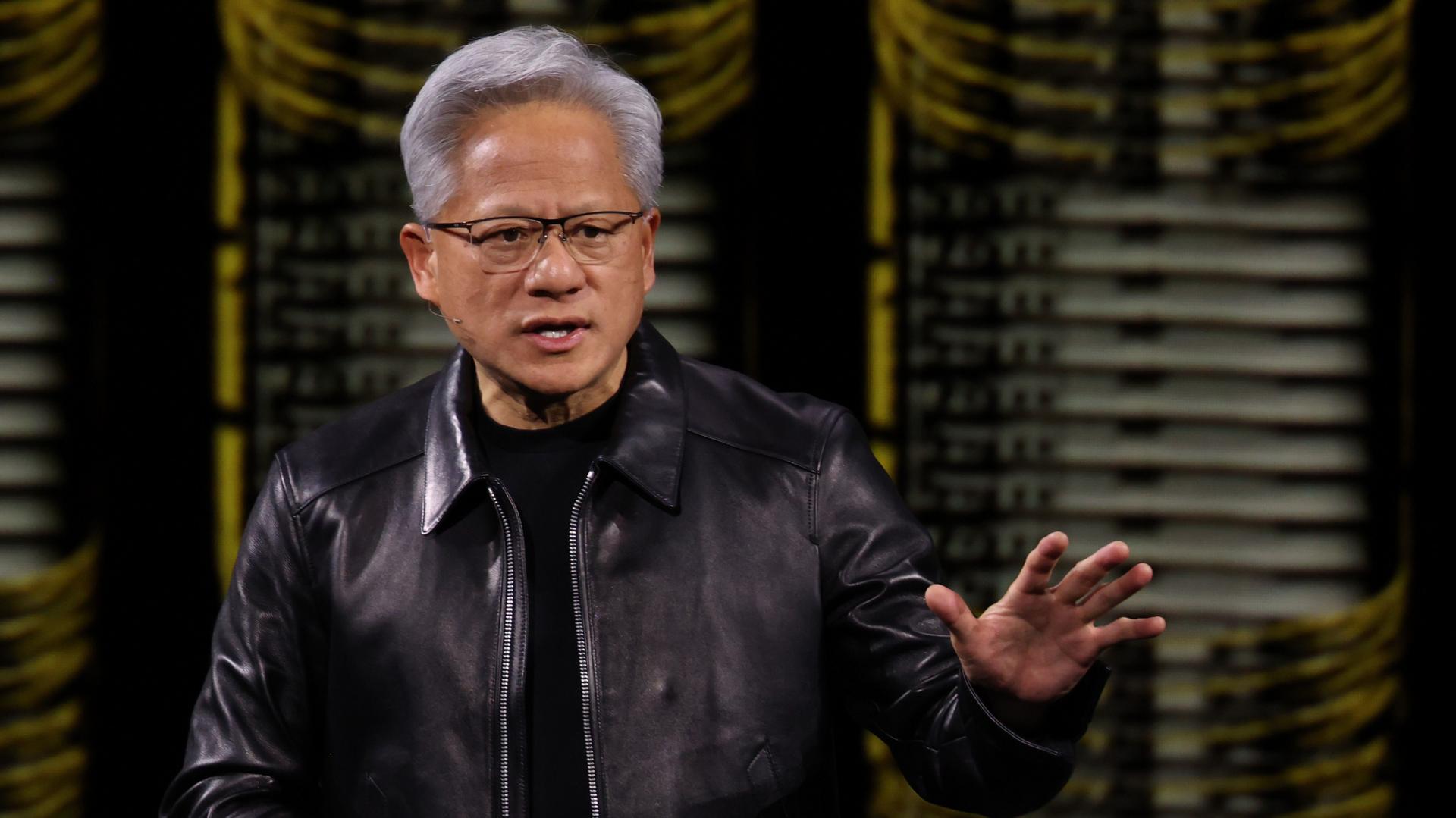
Jensen Huang is no longer Nvidia's chief executive, yet his shadow now hangs over the meeting between US President Donald Trump and Chinese leader Xi Jinping. The allegations at the centre of this story are serious, but they remain unproven. US intelligence reports claim that Alice Huang, a Chinese businesswoman with whom Huang had an affair, had ties to China's Ministry of State Security. Beijing has called the claims a "smear against China". Neither side has yet established the facts, and both governments should be wary of letting an unverified espionage narrative set the terms of their relationship.
The chip question is the more important issue, and it deserves to be argued on its merits. Advanced computer chips are essential for artificial intelligence, supercomputing and military technology, so Washington is right to scrutinise who can access them. The Trump administration's new export restrictions on Chinese firms renting computing power in Malaysia, Thailand and Brazil address a real loophole. But the earlier decision to permit sales of Nvidia H200 chips to China suggests the administration has not been consistent. Democrats such as Ted Lieu, who said the administration had been "1,000%" too deferential to Nvidia, are pressing a fair question about how policy was made.
History offers a warning. The 2023 balloon incident showed how quickly a security dispute can overwhelm diplomacy, cancelling a planned trip by Antony Blinken and freezing communication. Global Times is right that the episode damaged relations, and no one in Washington has taken responsibility for that cost. Both capitals should avoid repeating the pattern, where each new security story triggers a reflex of retaliation.
Trump and Xi both have reasons to keep talking. China's economy is under pressure and depends on exports, while Trump, with two years left in office, is looking for foreign policy wins. The trade truce due to expire in January gives them a clear agenda. My recommendation is simple: keep the summit focused on trade and economic cooperation, handle the Huang allegations through proper investigation rather than public accusation, and set clear, published rules on advanced chip exports. Clarity would serve both countries better than another cycle of suspicion and reprisal.