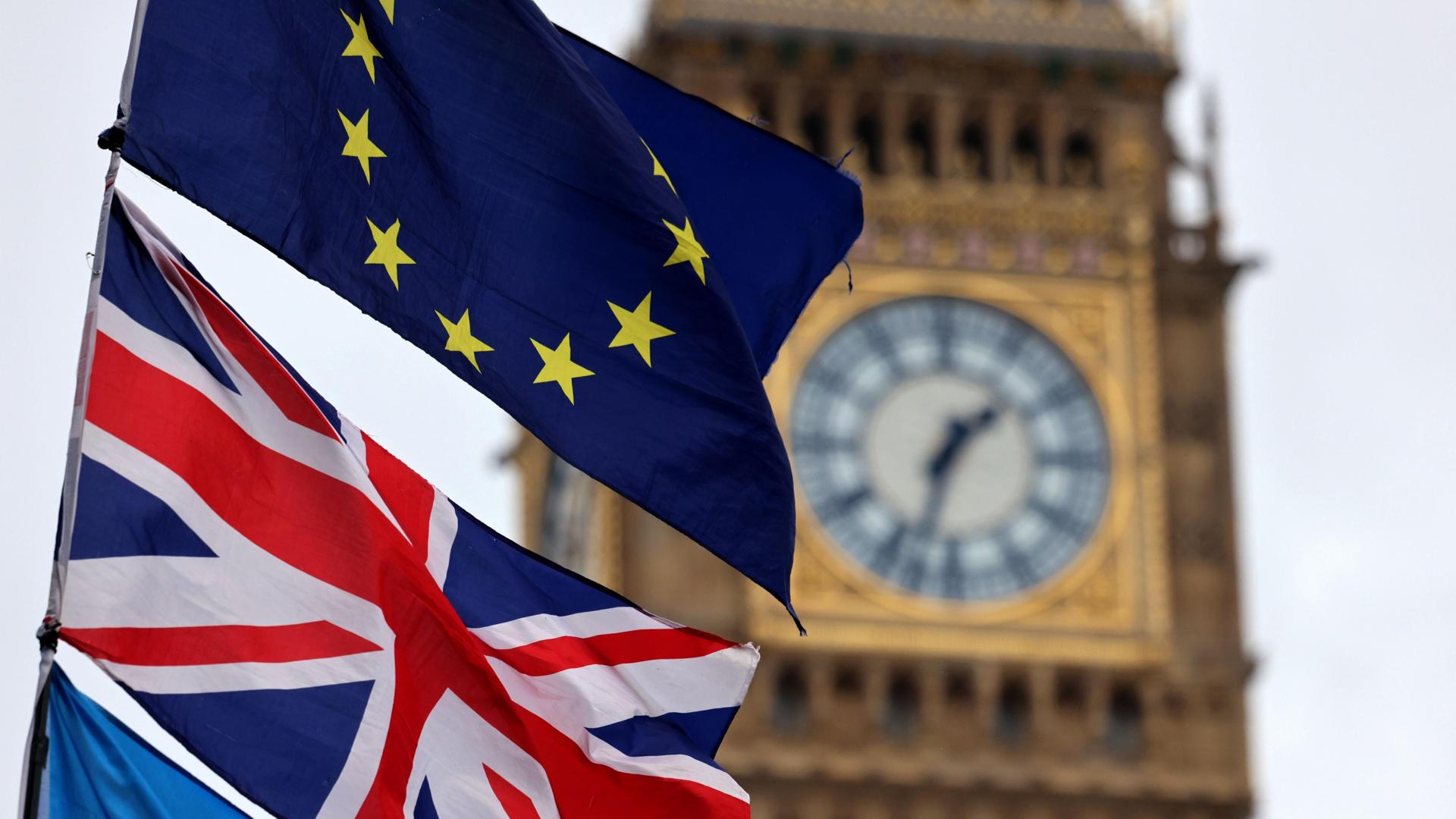
The Brexit argument is back, and the most useful thing Labour can do with it is stop treating it as a mood to be managed. The report describes a familiar pattern: new groups such as Stay Out forming on the Leave side, pro-EU organisations such as the European Movement making their case, and a growing number of Labour figures saying the country should think again. That is a legitimate debate. Voters who were promised that Brexit would be made to work deserve a government willing to say whether it has worked.
The most striking detail is who is now speaking. The report names David Lammy, Rachel Reeves, Peter Kyle and Jo Stevens, all of whom served in a government that set red lines on the single market and customs union in its 2024 manifesto. Their shift matters precisely because they were part of the commitment. Saying the picture has changed is a more serious act than repeating the arguments of 2016, and it deserves a serious answer rather than a reflex to close the subject.
The prime minister's approach has been to explore options out loud, from single market membership to rejoining the customs union to a referendum on full membership. That openness is defensible, but the report also shows the cost. The timing of the government's options paper has moved, and the promise to 'lay out to the country' the choices has softened. Some Labour MPs worry the topic is toxic, others that it will disappoint pro-EU voters, and others still that the argument has not changed enough to win a second referendum. Those are three different problems, and the government should name them rather than blur them together.
My view is that the first step should be concrete. Burnham should set out, before Christmas, what each option would mean for trade, farming, business and the cost of living, using evidence from the sectors the report says are now calling for change. If the case for rejoining rests on whether Brexit has harmed businesses and farmers, then those people should be heard directly. An argument driven by party loyalty or grievance over the original vote will fail, as one MP warned, and it will deserve to.
The report also raises a question the government cannot wish away: what the EU would look like if Britain returned. Changes in Brussels, and the new arrangements being discussed for Canada and Ukraine, may open room for looser forms of membership. That is a reason for careful negotiation, not for either triumphalism or despair. Britain should go into any future talks clear about its interests, and it should tell voters honestly what it is asking for.