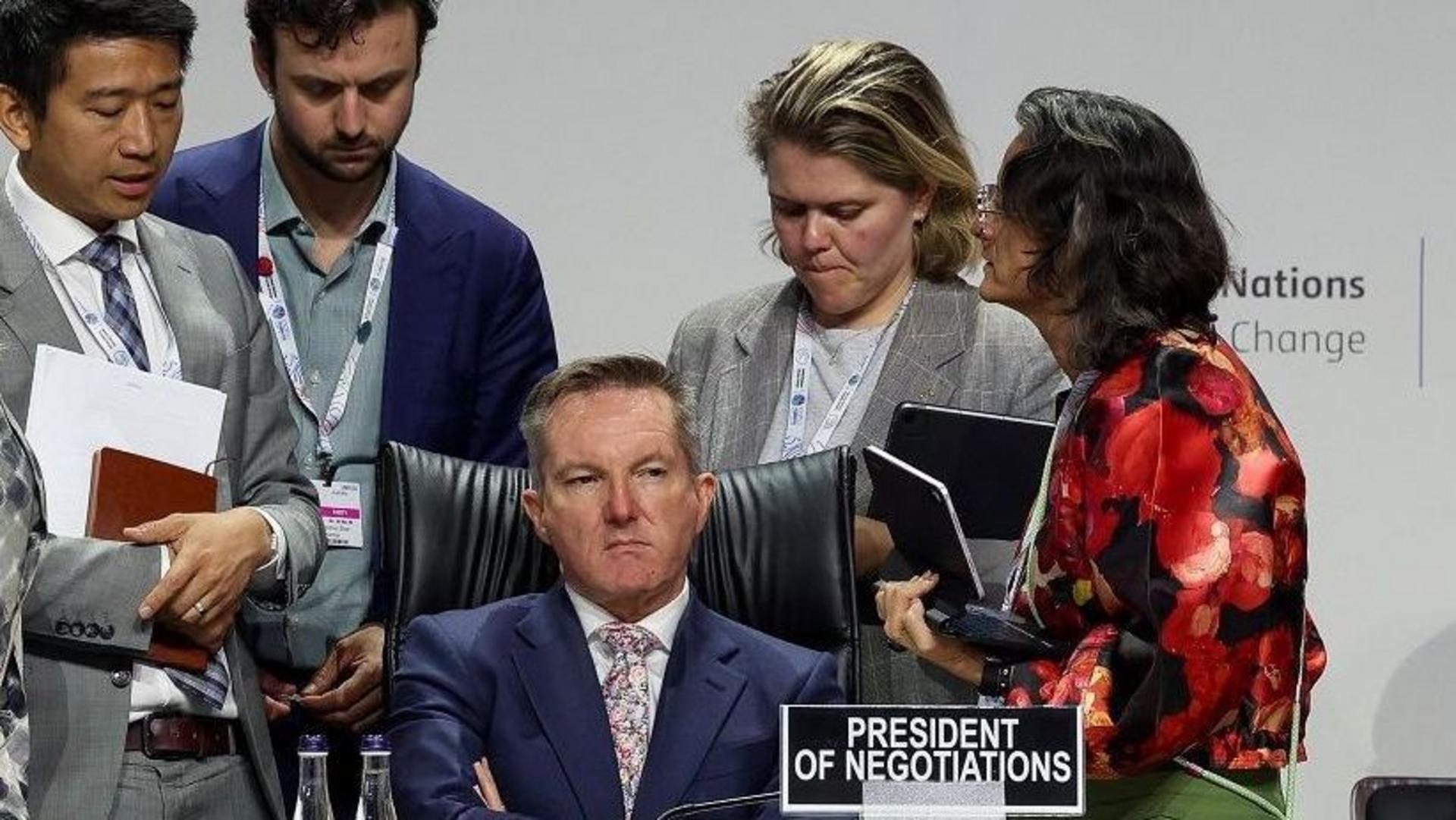
Countries failed to agree on a major new climate deal at the UN COP31 talks in Turkey. Negotiations were due to end on Friday but ran until Sunday, becoming the longest UN climate conference on record, according to the report.
The final text drew objections from the European Union, Pacific island nations and others because it did not directly mention fossil fuels. The EU's representative, Irish Minister Darragh O'Brien, said the EU "strongly" objected. He said the decisions "go nowhere near the level of ambition needed to tackle climate change" and called it "unconscionable" that a climate pact would make no mention of fossil fuels.
Many poorer countries objected to the lack of clear financial commitments from richer nations to help them adapt to rising temperatures. The text contained no concrete figures and no baseline for a pledge made at COP30 in Brazil to triple adaptation finance. The report says this raised fears that richer nations would have too much room to avoid firm commitments.
Saudi Arabia's delegate, Mohammad Ayoub, said Arab countries "continued to engage in good faith." He argued they accounted for only a small share of historical greenhouse gas emissions. Russia warned against "turning to slogans" on coal, oil and gas, and claimed that moving away from fossil fuels too quickly would cause "fuel poverty."
UN Secretary General Antonio Guterres said he was "deeply disappointed" and accused "powerful fossil fuel interests" of using "a page from Big Tobacco's playbook." Australian Prime Minister Anthony Albanese, whose country co-hosted the talks, blamed "difficult geopolitical times." Chris Bowen, Australia's minister and COP31 negotiations president, said there were "unbridgeable red lines."
The UK's Energy Secretary, Miatta Fahnbulleh, called the outcome "immensely disappointing" and said the UK's commitment was "unwavering."