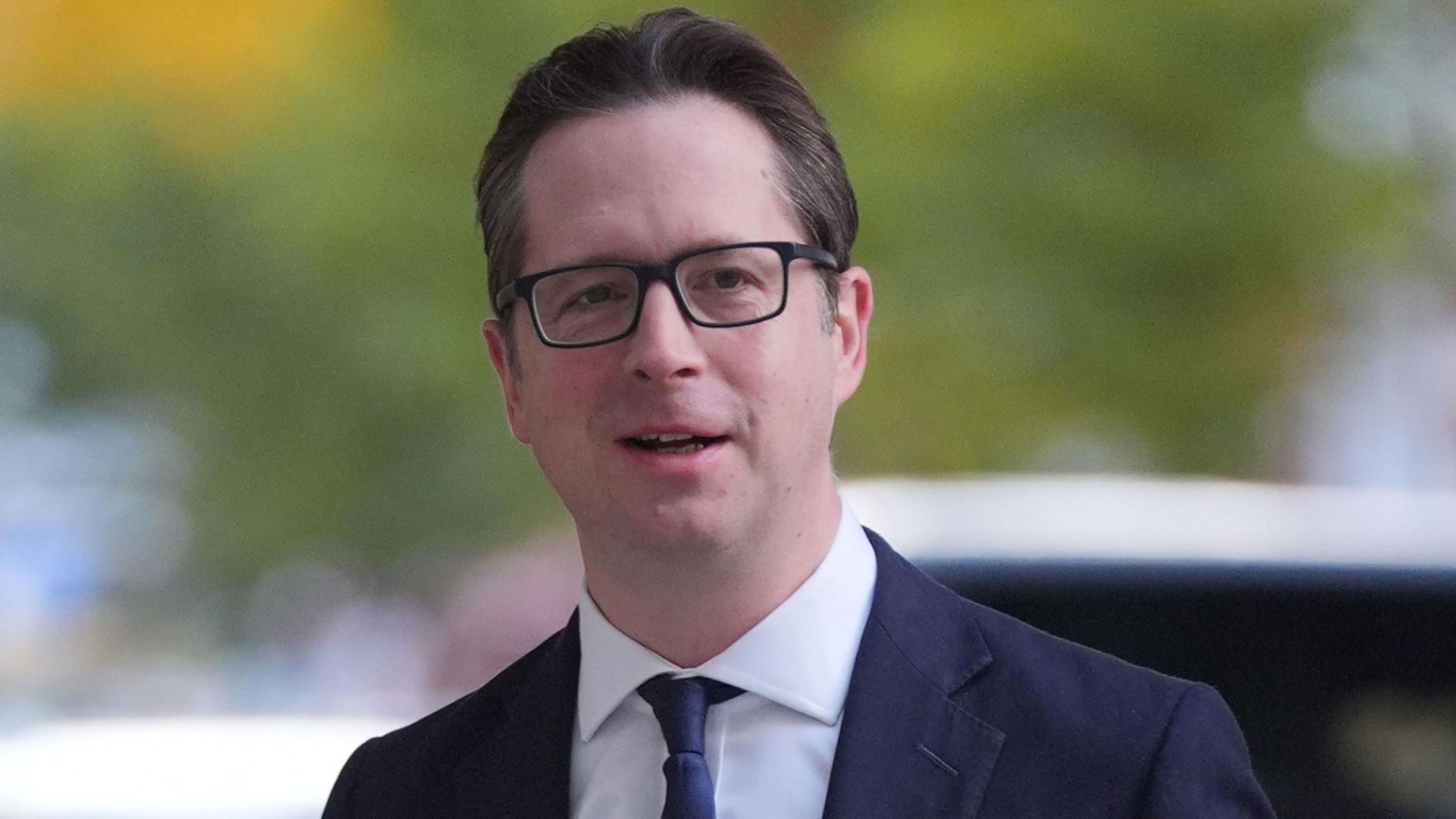
Conservative deputy leader Alex Burghart has said his party would scrap the UK-EU deal agreed on Friday if the Tories win the next general election. Speaking to the BBC's Sunday with Laura Kuenssberg, he called the deal "a dog's dinner" and said it would not lead to lower prices in shops. He also said the UK "gives up our ability to set our own rules."
The agreement, signed by Prime Minister Andy Burnham, covers a youth travel scheme, emissions trading and British food exports. Under it, the UK will have to follow some EU regulations.
Burghart acknowledged the deal would reduce some trade "friction." He said it would place a "massive additional burden on the 90% of farmers that don't do any trade with the EU." Asked whether the Conservatives would scrap the deal, he said: "I don't think that there will be positive outcomes, and yes, we would scrap it."
The government argues that scrapping most checks on British food exports will cut costs for businesses and could bring down prices for shoppers. Food retailers have welcomed the deal but have not committed to cutting prices as a result. The British Retail Consortium said it does not expect supermarket prices to fall because of the deal, and said upward pressures on prices remain.
Foreign Secretary Ed Miliband said the deal "reduces pressure on trading costs." He said it would cut the "Brexit red tape" that businesses face. Challenged on the UK giving up some rule-setting powers, he argued that businesses were already "rule takers" from Brussels if they wanted to sell into the European market.
Reform UK deputy leader Richard Tice also criticised the deal. He told Sky News that "a few exporting food businesses may benefit," but that non-exporting companies will still have to align with EU rules.
Legislation to implement the deal is expected in Parliament next week. The food exports arrangement takes effect from 2028. A new youth experience scheme will allow up to 100,000 people aged 18 to 31 from each side to work, study or travel in the other's territory for up to three years. The two sides aim to make opportunities available by January 2030 at the latest. A proposal to lower university tuition fees for EU students in the UK has not been agreed, and talks on it will continue. Miliband has said the deal does not depend on that agreement.
The Conservatives criticised the youth scheme, saying EU young people would compete with Britons struggling to find jobs. The Liberal Democrats called it "a big step forward" but "nowhere near enough," and called for the UK to rejoin the EU single market and customs union.