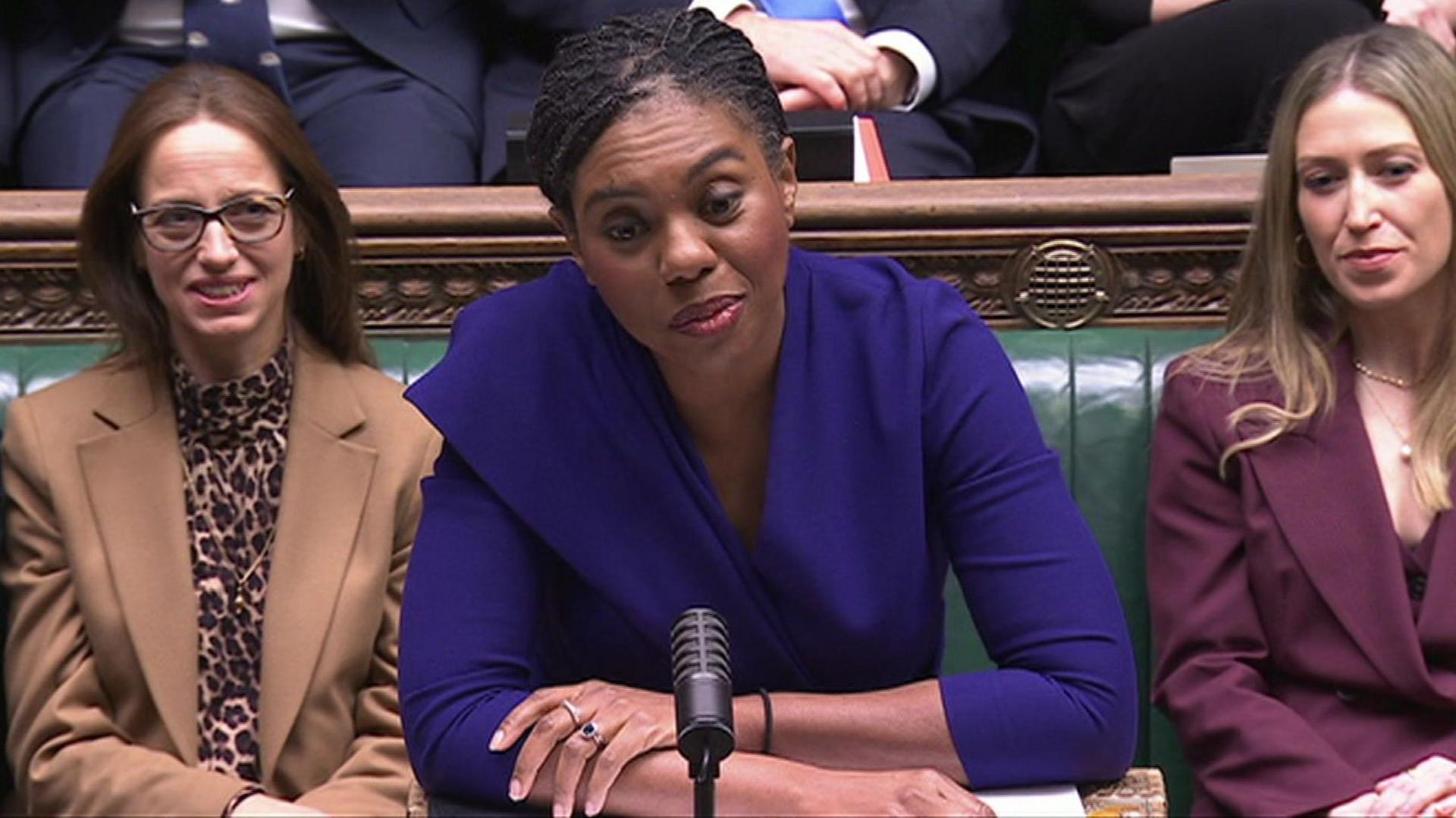
Kemi Badenoch pressed Prime Minister Andy Burnham at Prime Minister's Questions over whether EU students in the UK could pay lower university tuition fees as part of his deal with the bloc. Burnham said tuition fees are "a separate deal" and that the talks are not finished.
Asked whether he could rule out EU students paying the same fees as British students, Burnham said that position was "the European negotiating position," not the British one. He said it "has not been put on the table" and "won't be put on the table."
At a UK-EU summit last Friday, the two sides agreed a deal covering British food exports, emissions trading and a youth travel scheme. A joint statement said they would also work toward a "supplementing" agreement on tuition fees for EU students in the UK and British students in the EU, with negotiations concluding within six months.
EU sources had suggested the bloc might hold up the wider deal until EU students were guaranteed the same fees as British students. The UK has said the wider deal will take effect regardless of whether a tuition fees agreement is reached. Legislation introduced in Parliament on Thursday would set an implementation date for the food, emissions and youth scheme deals.
Currently, EU students at UK universities generally pay the same fees as international students, between £11,400 and £38,000. British undergraduate fees are capped at £9,790 a year. Universities have warned that capping EU student fees at the British level could cost hundreds of millions of pounds a year.
Badenoch asked who would pay the bill, "cash-strapped universities or cash-strapped taxpayers?" Burnham said "the deal on tuition fees is not done" and that the government would take the conversation forward "always rightfully mindful of the challenges faced by higher education." His official spokesman declined to say whether EU students would pay domestic fees, citing ongoing talks.