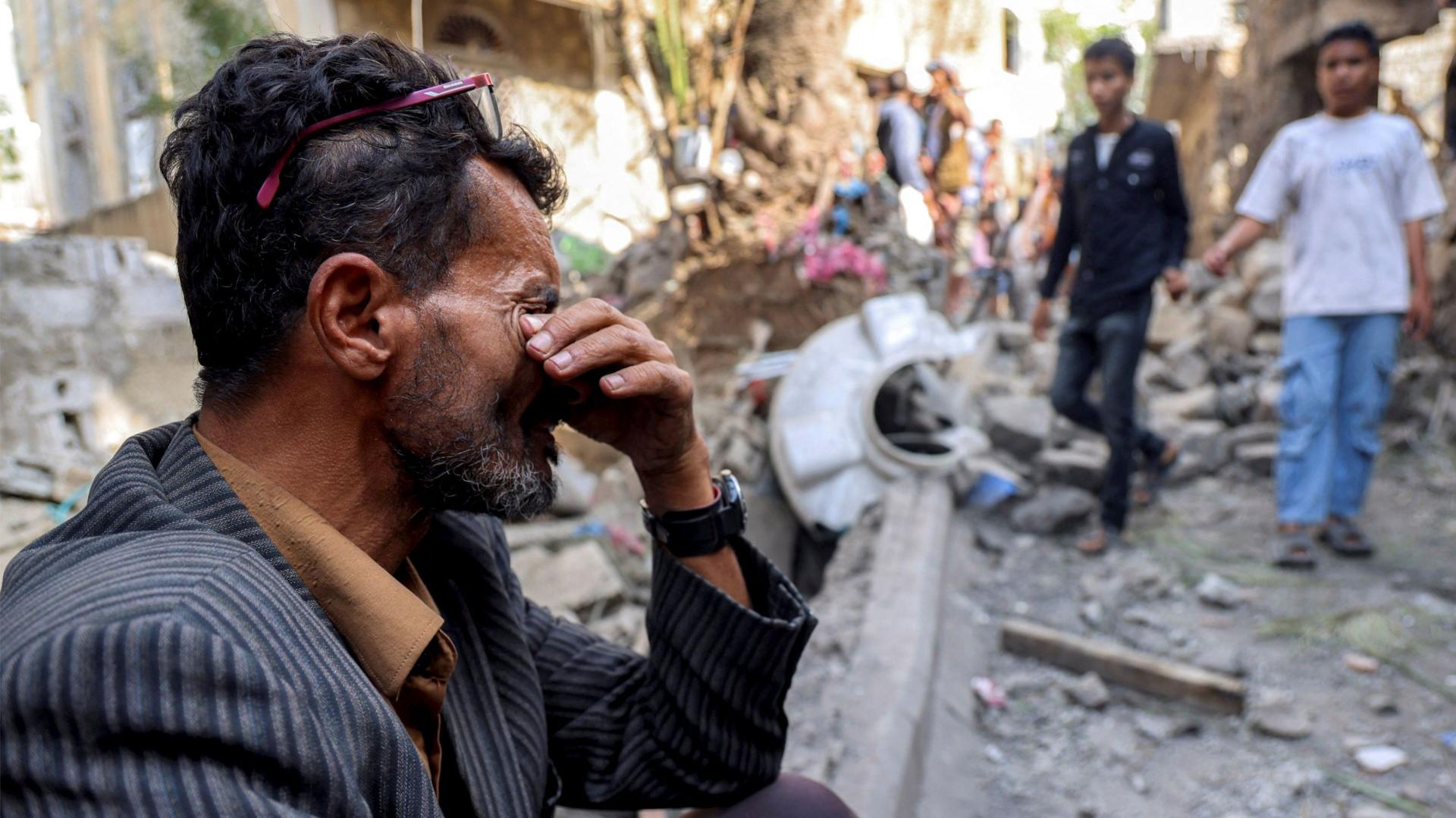
Houthi forces have fully encircled the government-controlled Yemeni city of Taiz, cutting it off from the outside world, according to residents interviewed by the BBC. The city's population is estimated at between 600,000 and 1 million.
The Office for Siege Affairs, a local government department, says 148 civilians have been killed by Houthi attacks since August. The BBC reports that estimates of the death toll vary widely.
Residents describe severe shortages. Rice, sugar and cooking oil prices have doubled or trebled, and medicine, water and fuel are running low. Burning rubbish inside the city produces toxic smoke.
Taiz's governor, Nabil Shamsan, says hospitals have lost 70% of their capacity and 120 health centres have closed. He says dozens of residents are buried every day, with deaths attributed to supply shortages, lack of food and loss of income as well as to shelling and gunfire. Shamsan also says hundreds of kidney patients are not receiving dialysis.
An emergency room doctor, identified as Yaser, told the BBC that four children were recently shot by Houthi snipers and two of them died. He said his hospital could operate for about two more weeks, "maybe."
Houthi leader Abdul Malik al-Houthi has denied that Taiz is besieged and claimed that routes remain open for food, medicine and humanitarian aid. The government, Taiz residents, aid agencies and the United Nations dispute this claim, according to the BBC.
Some residents spoke on condition of anonymity, fearing for their safety.