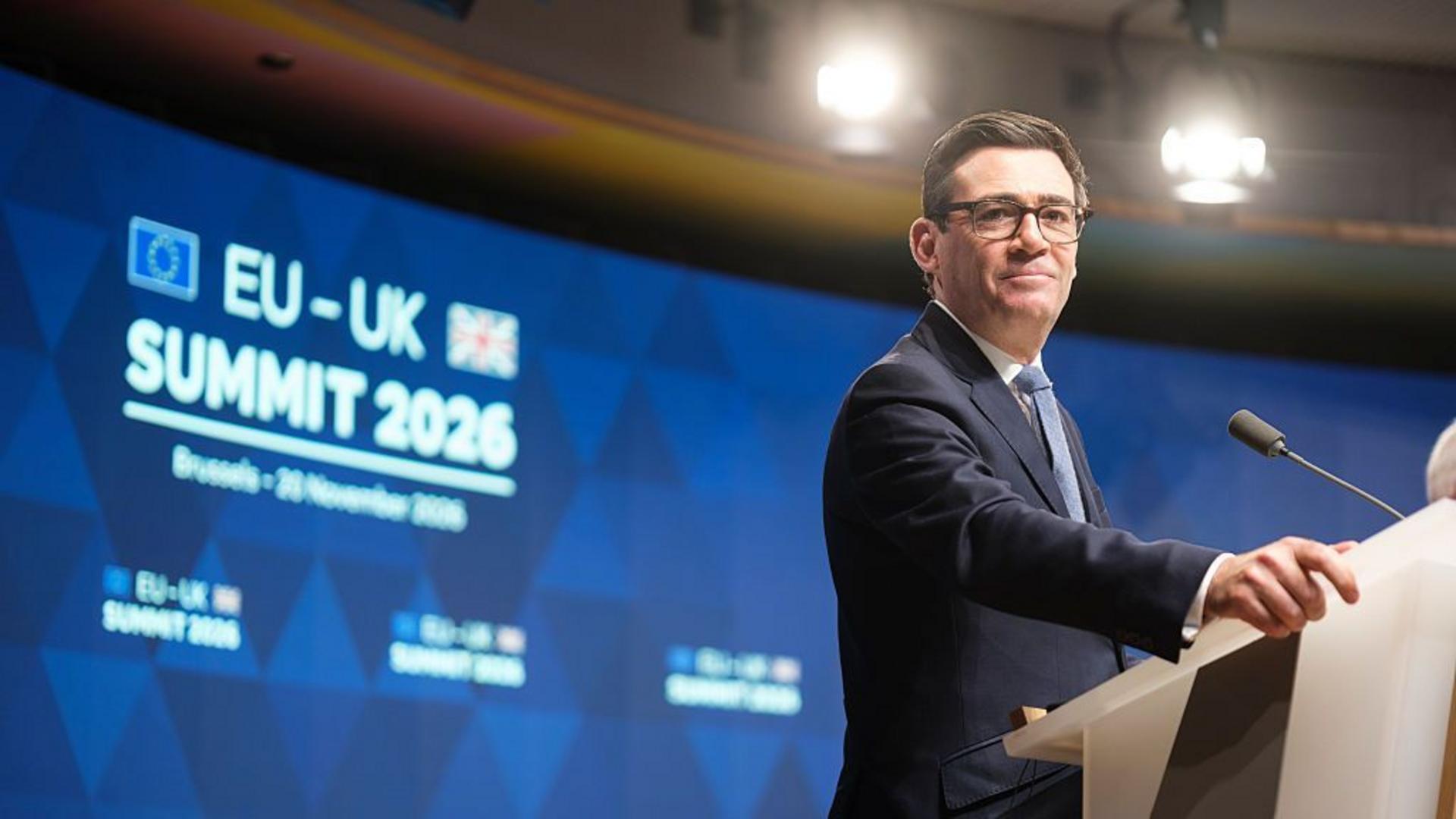
Andy Burnham wants the Europe debate to become background noise by the next election. The report suggests he is trying to lower the volume after a period in which he talked about the EU frequently. That is a sensible aim, but a quieter tone does not settle the central issue. Voters are entitled to know whether Labour will offer them another in/out referendum, and Burnham has declined to rule one out.
His own words show the problem. He said that if a referendum is in Britain's national interest, he will recommend it to the House, and if not, he will not. He also said there is "no fixed opinion here" and "no fixed destination." Those phrases may sound measured, but they leave voters guessing about the single most consequential choice associated with the EU question. A prime minister who wants calm should be willing to state a position, even a conditional one, and explain what would trigger it.
Burnham also pointed to the possibility that Europe could change, including the prospect of Marine Le Pen becoming president of France. That is a fair point to raise, but it cuts both ways. If the political landscape across the Channel can shift, then the UK's long-term arrangements need clear justification now, not promises to revisit matters later. Vague openness to future change is not a substitute for a settled account of what Labour thinks the relationship should be.
The practical details in the report deserve scrutiny before anyone declares the matter settled. The reported arrangement that Britain could face compensation costs if it reversed food export changes within ten years is exactly the kind of small print that will shape how far the deal can be reversed. Voters should see the legal text and the figures attached to it, and Labour should explain them plainly. Calm politics depends on transparency, not on asking people to stop paying attention.